 blog
blog
Large Format Printing: A Complete Guide for Business Branding
Table of Contents
- What Large Format Printing Is and Why It Matters for Your Business
- Large Format Printing Cost: Breaking Down Your Investment
- Large Format Banner Printing: Sizes, Materials, and Applications
- Large Format Printing File Requirements: Getting Your Design Right
- Vehicle Wrap Advertising: Turning Fleet Assets into Mobile Billboards
- Large Format Printing vs. Digital Advertising: Which Delivers Better ROI
- Design Services and Professional Installation: From Concept to Completion
- Frequently Asked Questions
Last Updated: October 18, 2026
What Large Format Printing Is and Why It Matters for Your Business
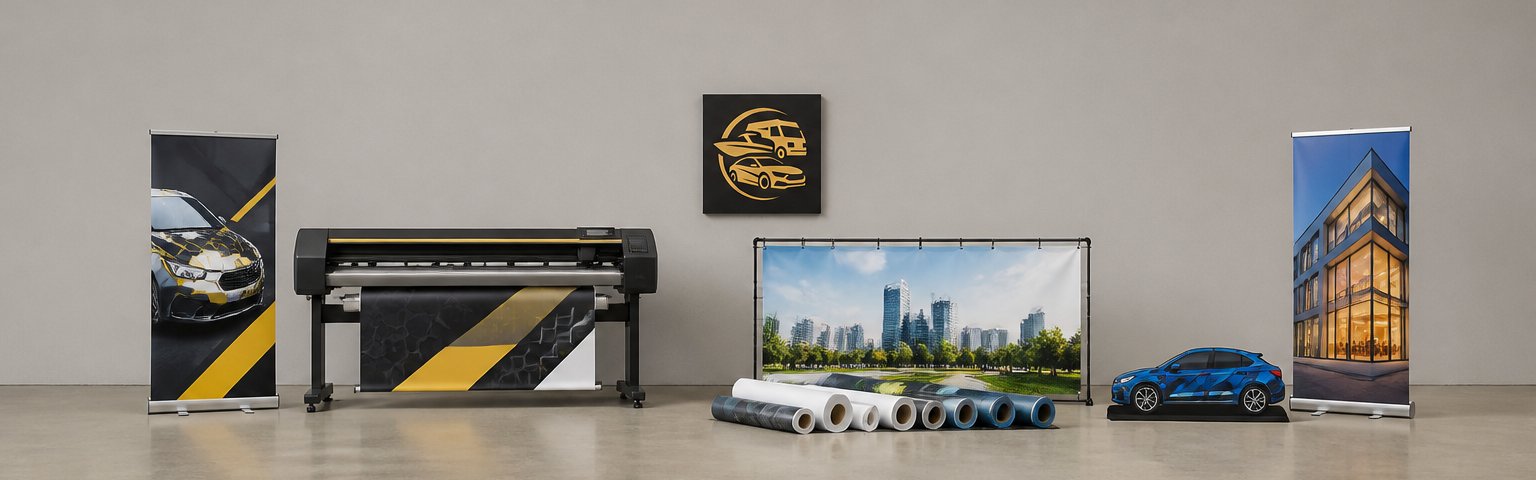
Large format printing produces oversized graphics and signage that command attention in ways standard printing simply cannot. Large format printing transforms ordinary surfaces into powerful brand assets. Whether you're printing a 40x60-inch banner for a trade show or a full vehicle wrap for your fleet, this technology delivers visual impact that drives real business results.
The difference between large format printing and traditional printing comes down to scale and purpose. Standard printing handles documents and small promotional items. Large format printing covers everything from vinyl banners and posters to custom window graphics and step-and-repeat backdrops. The applications are nearly limitless because the canvas is enormous.
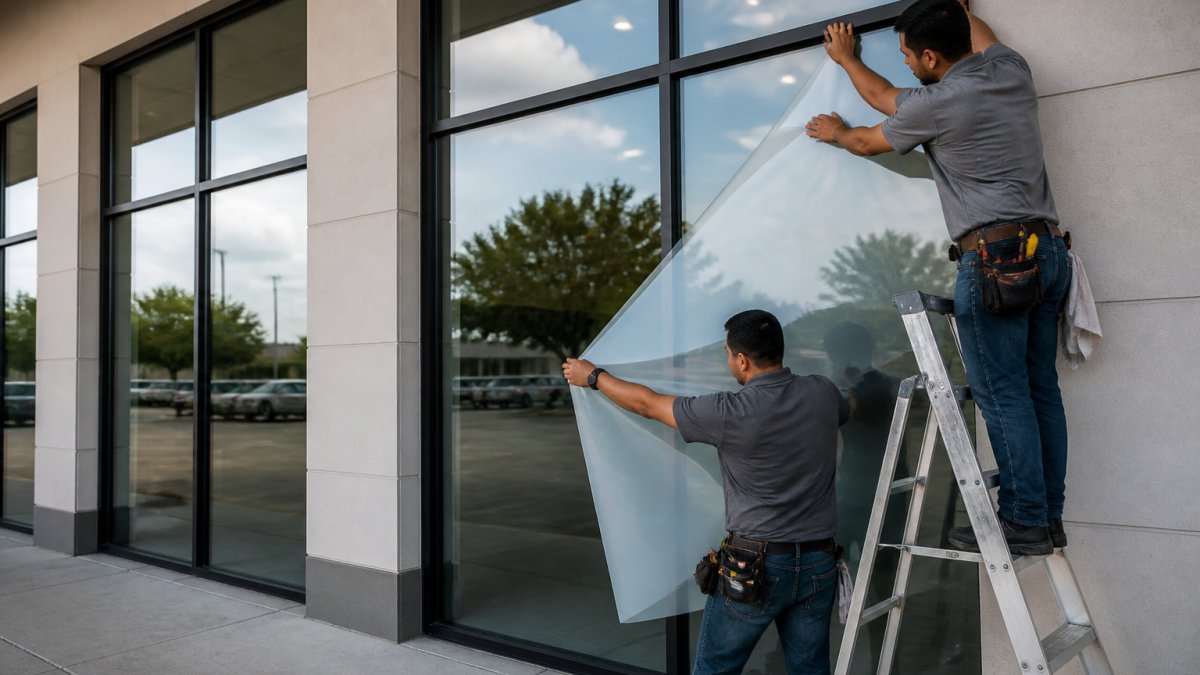
Why does this matter for your business? Physical branding works differently than digital advertising. A vehicle wrap advertising your services reaches thousands of people daily as your fleet moves through town. A storefront window graphic stops foot traffic and communicates your brand identity before anyone steps inside. Interior wall murals and floor decals reinforce your message in spaces where customers spend time. These are surfaces that work for your brand 24/7, without monthly ad spend.
Large Format Printing Cost: Breaking Down Your Investment
Understanding large format printing cost requires looking beyond a single quote. The investment depends on several factors that directly impact both price and performance.
Print size matters most. A small banner costs less than a full vehicle wrap because it requires less material and labor. Poster printing for a single 24x36-inch design runs differently than producing 50 copies of the same poster.
Material selection drives cost significantly. Vinyl banners, semi-gloss paper, matte finishes, and fabric options each have different price points. A 13 oz vinyl banner withstands outdoor conditions better than standard paper, but costs more upfront.
Design services add value when you need professional artwork. Some providers include free design consultation; others charge separately. If you're bringing existing artwork, file preparation and resolution optimization may require additional work.
Turnaround time affects pricing too. Planning ahead saves money compared to emergency rush orders.
Installation and delivery represent real costs many businesses overlook. Local delivery costs less than nationwide shipping. Professional installation for vehicle wraps, wall murals, and storefront graphics requires skilled labor. Some providers handle installation themselves; others provide files for you to arrange installation separately.
| Cost Factor | Impact on Price | Best Practice |
|---|---|---|
| Print size | Larger dimensions = higher cost | Order sizes that fit your space exactly |
| Material type | Vinyl > specialty paper > standard paper | Match material to indoor/outdoor use |
| Quantity | Bulk orders get per-unit discounts | Plan multi-piece campaigns together |
| Design services | Free consultation vs. custom design fees | Clarify what's included upfront |
| Turnaround time | Standard < express < next-day | Build in 1-2 weeks for planning |
| Installation | Professional installation adds labor cost | Confirm who handles installation |
Getting accurate large format printing cost requires a detailed quote based on your specific needs. Factors like custom sizes, specialty finishes, and rush services all change the final number.
Large Format Banner Printing: Sizes, Materials, and Applications
Large format banner printing covers a range of products designed for different purposes. Understanding your options prevents ordering the wrong size or material and wasting budget.
Common Banner Sizes and When to Use Them
Banner dimensions follow industry standards that balance visibility, production efficiency, and installation practicality. Common sizes include 8x3 feet for storefront windows, 10x4 feet for trade show booths, and 13x3 feet for building facades. Larger formats like 20x8 feet work for highway visibility or major event backdrops.
The right size depends on viewing distance. A banner read from 10 feet away needs larger text and bolder design than one viewed from 3 feet. Vehicle wrap advertising on the side of a truck needs to be readable at highway speeds. Storefront window graphics on a busy street need to catch attention in the seconds a customer walks past.
Custom sizes are available when standard dimensions don't fit your space. Pearl Wrapz works with businesses to determine the ideal dimensions for their specific location and viewing conditions. A banner that's too small gets ignored; too large and it looks awkward or doesn't fit the installation space.
Material Selection: Vinyl, Paper, and Fabric Options
Material choice determines durability, appearance, and cost. Each option serves different applications.
13 oz vinyl banners resist weather, UV fading, and physical wear. They're the standard choice for outdoor signage, vehicle wraps, and high-traffic areas. The semi-gloss finish provides good color saturation and visibility.
Matte finish paper works well for indoor displays and temporary signage. Paper banners cost less than vinyl but deteriorate faster in humidity or sunlight. They're ideal for trade shows, conference backdrops, and step-and-repeat displays that stay indoors.
Fabric options like canvas or polyester offer a premium look for certain applications. Fabric banners diffuse light differently than vinyl or paper, creating a sophisticated appearance for retail environments or upscale events. Fabric typically costs more and requires careful handling during installation.
Choosing the right material means matching it to where the banner lives. An outdoor banner exposed to sun and weather demands vinyl. An indoor trade show backdrop can use paper or fabric. A vehicle wrap advertising your fleet needs the durability of quality vinyl to protect your brand investment.
Large Format Printing File Requirements: Getting Your Design Right
Many businesses underestimate the importance of proper file preparation. Sending the wrong file format or resolution to a printer results in blurry output, color mismatches, or complete reprints.
Large format printing file requirements start with resolution. A file created at 72 DPI for web display will print blurry at large scale. This is why taking a social media graphic and enlarging it for a banner rarely works.
File format matters. PDF files preserve formatting and fonts reliably. TIFF files support transparency and layers. JPEGs work for photographs but compress the image, which can reduce quality at very large sizes.
Color mode affects the final print. Files should be in CMYK (cyan, magenta, yellow, black) color mode for print, not RGB (red, green, blue) used for screens. RGB colors often appear different when converted to CMYK, sometimes duller or shifted. Providing CMYK files prevents color surprises.
Bleed and margins are technical details that prevent content from being cut off during printing. This ensures graphics extend to the edge without white borders.
Professional designers handle these requirements automatically. If you're preparing files yourself, work with your printer's file specifications document. Most providers offer free file consultation to catch problems before printing begins.
Vehicle Wrap Advertising: Turning Fleet Assets into Mobile Billboards
Vehicle wrap advertising transforms your commercial fleet into moving billboards. Every time a wrapped vehicle drives through town, it reaches potential customers in ways static signage cannot.
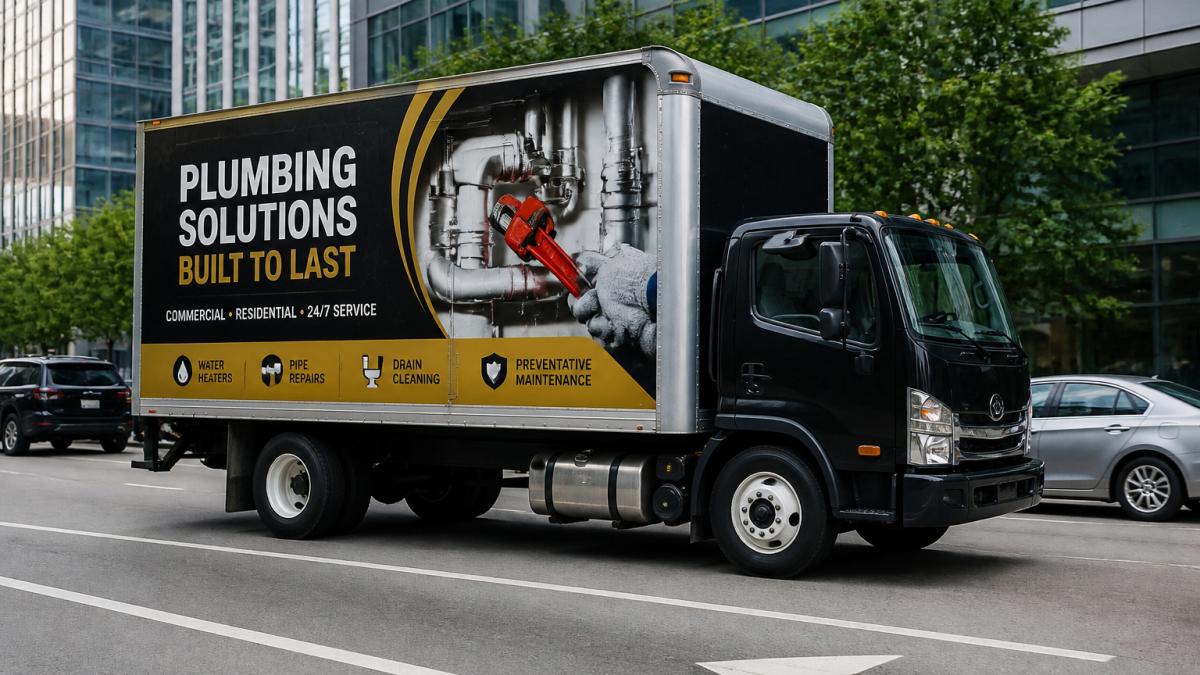
A logistics company with five wrapped trucks multiplies that reach across the entire service area. Unlike digital advertising that stops when you stop paying, a vehicle wrap works continuously for years.
Wrap design matters tremendously. The graphics must be readable at highway speeds and from a distance. Text needs to be large enough to see from 50 feet away. Your company name, phone number, and core message should be immediately clear.
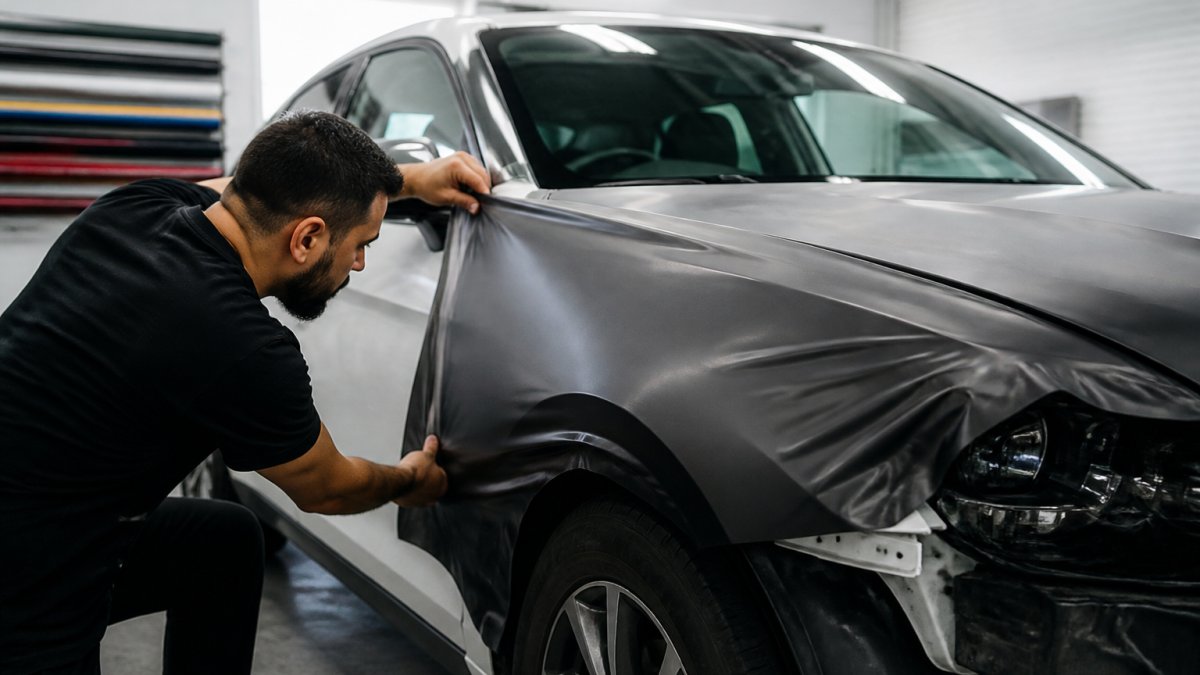
Professional installation ensures the wrap adheres properly and lasts years without peeling or fading. Improper installation creates bubbles, wrinkles, and premature deterioration. Pearl Wrapz handles the complete process from design through installation, ensuring your vehicle wrap advertising delivers consistent, professional results.
Fleet branding also creates internal cohesion. When your team drives matching wrapped vehicles, it reinforces company identity and professionalism. Customers remember branded fleets better than unmarked vehicles.
Large Format Printing vs. Digital Advertising: Which Delivers Better ROI
This comparison addresses a question many business owners face: should we invest in physical branding or digital ads?
Large format printing and digital advertising serve different purposes and audiences. Digital advertising reaches people actively searching or scrolling online. Physical branding reaches people in their daily environment, driving past your storefront, walking through a retail space, or seeing your fleet on the road.
Digital advertising requires ongoing monthly spend. You pay for impressions, clicks, or conversions continuously. Stop paying and your ads disappear. Physical branding requires upfront investment but then works for years. A vehicle wrap advertising your services costs once and delivers impressions for years without additional spend.
Targeting differs significantly. Digital ads reach specific demographics based on data and algorithms. Physical branding reaches everyone who passes that location or sees your fleet. A storefront window graphic stops foot traffic from your exact neighborhood.
Measurability presents challenges for both. Digital advertising tracks clicks and conversions easily. Physical branding is harder to measure directly, though businesses often track phone calls and foot traffic increases after launching new signage or wraps.
The strongest approach combines both. Digital advertising drives awareness and generates online interest. Physical branding reinforces your message in the real world and creates credibility through presence.
Design Services and Professional Installation: From Concept to Completion
Large format printing quality depends on both design and execution. Professional design services ensure your message communicates effectively. Professional installation ensures the finished product looks polished and lasts years.
Design services typically include concept development, layout, color selection, and file preparation. A designer asks about your brand identity, target audience, and specific goals. Are you promoting a sale, building brand awareness, or driving foot traffic?
Professional designers understand large format printing requirements. They know how text needs to scale for readability at distance. They understand color reproduction across different materials.
Installation quality determines how long your investment lasts. Vehicle wrap installation requires surface preparation, careful application to avoid bubbles and wrinkles, and proper curing time. Window graphics need precise alignment and smooth adhesion.
Pearl Wrapz handles both design and installation, ensuring consistency from concept through completion. Working with one provider eliminates communication gaps between designer and installer. You get cohesive results and clear accountability.
Many businesses hesitate about the design process, worried it will be complicated or time-consuming. Professional designers make it straightforward. They guide you through decisions, offer recommendations based on experience, and handle technical details you don't need to understand.
Large format printing transforms how businesses use physical space. Whether you're branding a vehicle fleet, updating a storefront, or creating event signage, the right design and materials deliver results that last.
Frequently Asked Questions
What is considered large format printing?
Large format printing refers to any print production wider than 24 inches, typically ranging from 24 inches to 12+ feet across. This includes vinyl banners, posters, signage, step-and-repeat backdrops, wall murals, and vehicle wraps. The term encompasses any custom printing that exceeds standard office printer dimensions and requires specialized wide-format equipment to produce high-quality results for business and event applications.
How long do large format prints last outdoors?
Durability depends on material and finishing. Indoor prints on paper or fabric substrates last longer since they avoid direct sun and weather exposure. Proper installation and regular cleaning extend the lifespan significantly.
What file type and resolution do I need for large format printing?
For designs with text and sharp graphics, vector formats are ideal because they scale without quality loss. If using raster images, ensure resolution matches your final print size. CMYK is better for accurate color matching in print.
How does large format printing compare with digital advertising for ROI?
Large format printing delivers sustained visibility at a fixed cost, while digital advertising requires ongoing monthly spending. A vehicle wrap or storefront banner works 24/7 without recurring fees and reaches local audiences repeatedly. Digital ads offer precise targeting and measurable clicks but compete for attention in crowded feeds. Combining both strategies often maximizes reach: use print for consistent brand presence and digital for targeted awareness campaigns.