 Comparison
Best Vehicle Wrap Materials for Durability Compared
Last Updated: November 5, 2026
Quick Summary
Cast vinyl is generally the most durable of the vehicle wrap materials because it is poured and cured rather than rolled, which leaves little built-in tension. That low memory helps it conform over curves and recesses without shrinking or lifting at the edges. Calendered vinyl costs less but is better suited to flat panels and short-term graphics.
- Cast vinyl is poured onto a casting sheet and cured, so it has very little built-in tension.
- Calendered vinyl is pressed through rollers, which locks in tension that causes shrinking and edge lift.
- Horizontal surfaces such as hoods and roofs take more sun and heat than vertical door panels.
- Hand wash with mild soap and avoid high-pressure washers near edges to protect seams and edges.
- Ask suppliers for the film construction, not just the brand name, because one brand may sell both types.
Table of Contents
- How We Judged Vehicle Wrap Durability
- Cast Vinyl vs. Calendered Vinyl: Which Holds Up Better
- Vehicle Wrap Lifespan by Material and Conditions
- Laminated Vehicle Wrap Films and Protection
- Top Vehicle Wrap Films Reviewed for Durability
- Commercial Fleet Wrap Materials and Warranty Terms
- Getting a Durable Wrap Installed in North Texas and Southern Oklahoma
- Frequently Asked Questions
Choosing a vehicle wrap film comes down to durability, and the choice of vehicle wrap materials determines how long your fleet or storefront keeps looking sharp. Pearl Wrapz provides vehicle wraps across North Texas and southern Oklahoma. Film construction matters more than brand alone. The market for automotive wrap films continues to grow, which means more options on the shelf and more reason to know what separates a durable film from a short-lived one.
How We Judged Vehicle Wrap Durability
We judged each film on the factors that decide how long a wrap lasts in practice. Those factors are film type, conformability, resistance to fading and edge lift, and how the film behaves over time on vertical and horizontal surfaces.
Installation quality also matters, since a well-made film can still fail if it is stretched wrong or left unsealed at the edges.
Cast Vinyl vs. Calendered Vinyl: Which Holds Up Better
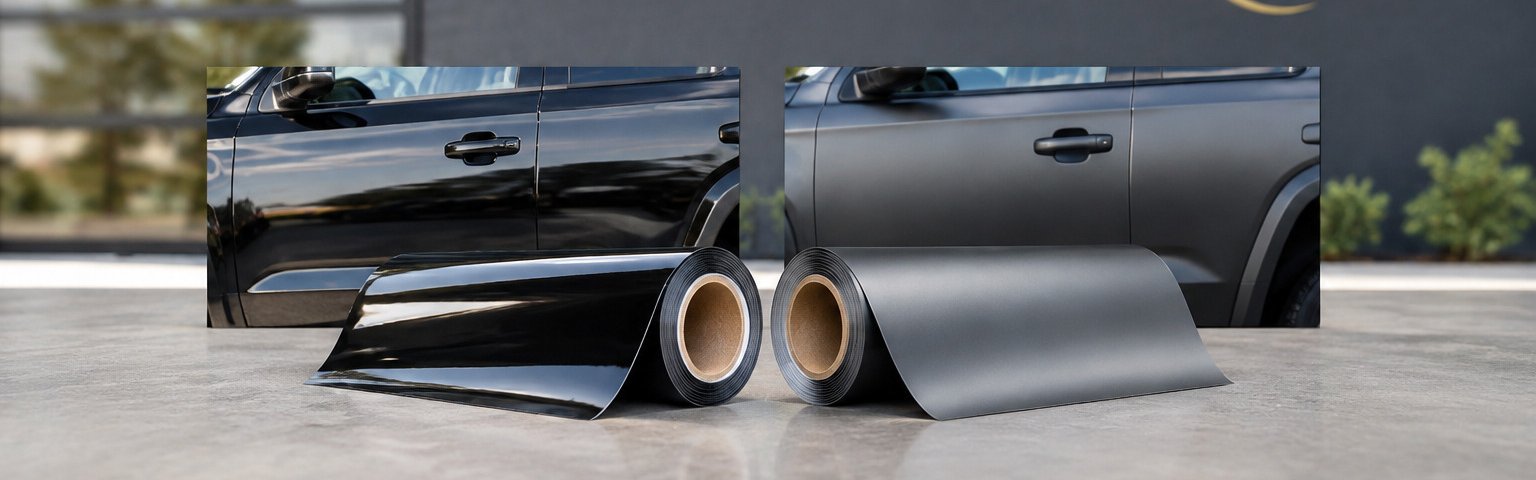
Cast vinyl is generally the more durable of the vehicle wrap materials, but the reason comes down to how the film is manufactured. Cast film is made by pouring liquid vinyl onto a casting sheet, then curing it. Because the vinyl is never mechanically stretched during manufacturing, the finished film has very little built-in tension. That low memory is why cast film conforms into recesses, around mirrors, and over rivets without pulling back, and why it resists shrinking and edge lift over time.
Calendered vinyl is made by pressing heated vinyl through rollers. The rollers stretch the film to its final thickness, which leaves tension locked into the material. That tension is the root cause of the most common calendered failures: the film tries to return to its original shape, so it shrinks back from edges, lifts on curves, and can pull away from recessed areas as it ages. Calendered film costs less, but it is a better fit for flat panels, short-term graphics, and partial wraps than for a full-body wrap you plan to keep for years.
A useful way to think about the trade-off is surface geometry. On a flat box trailer side, calendered film can perform acceptably because there is little curvature to fight. On a pickup tailgate, a bumper with deep recesses, or a van with rivets and corrugations, cast film's low memory is what keeps the edges down.
Watch out: some suppliers market polymeric calendered films as a middle ground. These are more stable than standard calendered vinyl, but they still carry more memory than cast film, so do not assume a polymeric label makes a calendered product equivalent to cast on complex curves.
Film thickness and adhesive also matter. A cast film with a quality adhesive and a protective laminate will usually outlast a thin calendered film even when both are installed by the same shop. When comparing quotes, ask for the film construction, not just the brand name, because the same brand can sell both cast and calendered lines.
The two main film types differ in how they are made, and that difference drives how each one performs over time.
| Film type | How it is made | Durability trait |
|---|---|---|
| Cast vinyl | Liquid vinyl poured onto a casting sheet and cured | Low memory; conforms without pulling back |
| Calendered vinyl | Heated vinyl pressed through rollers | Tension locked in; shrinks and lifts at edges |
| Polymeric calendered | Calendered film with added stability | More stable than standard calendered; still more memory than cast |
Vehicle Wrap Lifespan by Material and Conditions
Lifespan depends on the material, but the same film can last very different lengths of time depending on climate, storage, and surface orientation. This is the part most buying guides skip, and it is the part that decides whether a wrap meets your expectations.
Start with surface orientation. A horizontal surface such as a hood, roof, or trailer top takes far more direct sun, heat cycling, and UV dose than a vertical door panel. Horizontal surfaces such as a hood, roof, or trailer top take more direct sun and heat than vertical door panels, so when you compare films, ask whether the published lifespan applies to vertical surfaces, horizontal surfaces, or both. When you compare films, ask whether the published lifespan applies to vertical surfaces, horizontal surfaces, or both.
Climate is the next variable. Intense sun and sustained heat accelerate UV fading and adhesive degradation, so a wrap that spends its life outside in a hot, sunny climate will age faster than one that is garaged. Cold and freeze-thaw cycles stress edges and seams, and road salt and brine in winter can attack edges and contaminate the film surface if it is not washed off. High humidity and repeated wetting can affect adhesive performance at edges and seams.
Storage and care habits matter as much as the film. Garaging or parking in shade when possible reduces UV exposure. Read how long a car wrap lasts and the care habits that protect the finish for a practical look at lifespan and maintenance. Hand washing with mild soap and avoiding high-pressure washers near edges helps protect seams and edges from lift.
Warranty terms are not the same as real-world lifespan. If your wrap has already worn or been damaged, see whether a damaged car wrap can be repaired before deciding on replacement. Manufacturers typically publish a warranty period for a specific film, and that period often varies by surface orientation, by whether the film is laminated, and by installation and maintenance requirements. Exclusions commonly cover damage from improper washing, automatic brush car washes, unapproved installation, and environmental damage. Read the warranty for the specific film and confirm what your installer will stand behind, because a warranty is a coverage document, not a guarantee of how long the wrap will look new.
For more detail on expected service life and how it changes with exposure, see vehicle wrap lifespan guidance.
Laminated Vehicle Wrap Films and Protection
Laminated films add a clear protective layer over the printed graphic. The laminate helps resist UV fading, scuffs and light abrasion, which makes it a practical choice for high-traffic fleet vehicles and for surfaces that get handled often.
Laminate does add cost and can slightly change the finish, so match it to the job. A glossy laminate will look different from a matte one, and a laminated film that is not properly installed can still lift at the edges. Ask your installer how the laminate is applied and sealed.
Top Vehicle Wrap Films Reviewed for Durability
We reviewed four widely used films. Each has its own strengths and limitations, so the right choice depends on your project.
3M Wrap Film Series 2080
The 3M Wrap Film Series 2080 is a premium cast vinyl with a protective film layer that helps reduce surface marks during installation. Its dual-layer construction improves conformability on complex curves, and its adhesive technology makes it easier to reposition during application.
The trade-off is price: it costs more than calendered alternatives. It suits professional installers and owners who want a high-gloss finish that holds up over time.
Avery Dennison Supreme Wrapping Film
Avery Dennison Supreme Wrapping Film is a high-performance cast vinyl known for conformability and a wide color range. Its air-release technology speeds up installation and helps remove trapped air, and it has strong opacity to cover existing paint.
It stretches well around bumpers and deep recesses, which makes it a strong choice for full color changes. It does demand skill. Over-stretching during application can thin the film and shorten its life, so this is a film best installed by an experienced shop.
KPMF VWS IV Series
KPMF VWS IV Series is a premium cast PVC film built for long-term outdoor exposure. Its construction resists shrinkage, and it comes in many matte, gloss and iridescent finishes.
It is less widely stocked than the 3M and Avery Dennison options in some regions, so confirm availability before you plan a project.
TeckWrap 190 Series
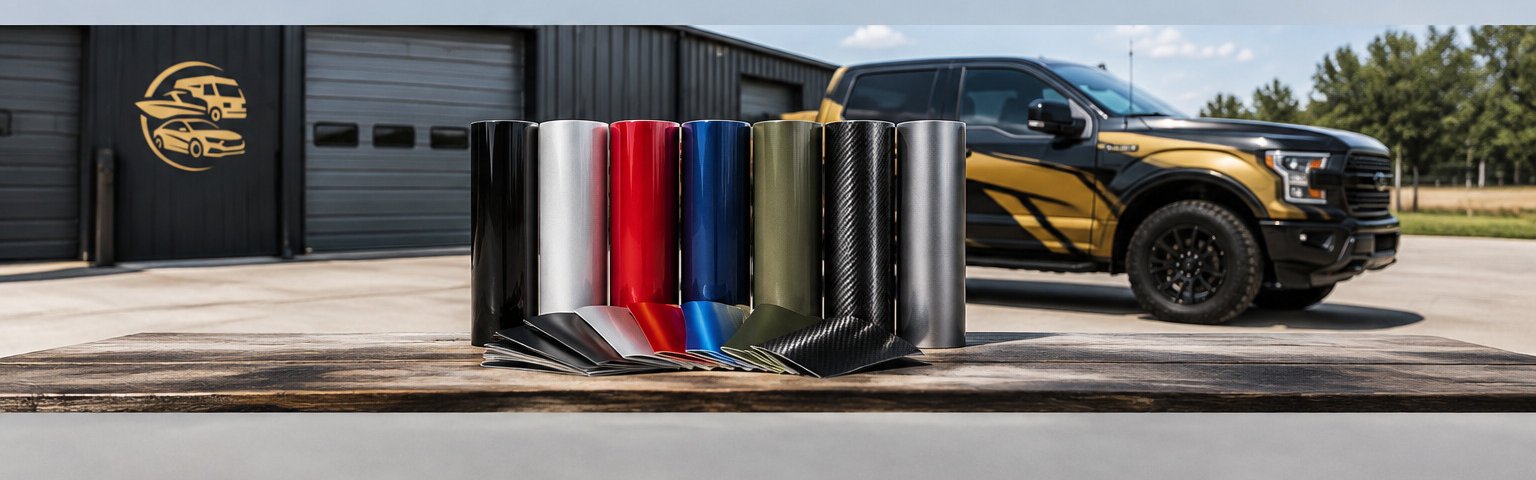
TeckWrap 190 Series is a polymeric hybrid vinyl designed to balance cost and performance. It is more stable than standard calendered vinyl and works well for DIY-friendly applications and vibrant color options.
It costs less than top-tier cast brands, which makes it attractive for budget-conscious shorter projects.
Commercial Fleet Wrap Materials and Warranty Terms
Fleet wraps need to last under heavy daily use, so material choice and warranty terms carry more weight.
Read the warranty carefully. Look for what is covered, the length of coverage, and exclusions such as damage from improper washing or unapproved installation. Fleet managers should also ask whether the warranty covers both material and labor. Pearl Wrapz works with fleet and vehicle graphics, so you can contact us to discuss material and warranty options for your vehicles. Explore our full and partial wraps, commercial fleet graphics and trailer services.
Getting a Durable Wrap Installed in North Texas and Southern Oklahoma
The best film still needs a skilled installation. Surface preparation, proper stretching, and clean edges all affect how well a wrap performs.
Pearl Wrapz is a full-service provider covering design, production and installation for vehicles and commercial surfaces. We serve businesses across North Texas and southern Oklahoma. Get a quote from Pearl Wrapz to discuss the right film for your vehicles. Pricing depends on project size, timeline, and materials, so request a quote for current pricing. To learn what installation involves and what to ask before booking, read our professional vehicle wrap installation guide.
Frequently Asked Questions
What is the most durable material for a vehicle wrap?
Cast vinyl is generally considered the most durable vehicle wrap material. Its manufacturing process produces a thinner, more stable film that resists shrinking and holds color longer outdoors. Premium cast films from manufacturers such as 3M, Avery Dennison, and KPMF are the common choices for projects that need long outdoor service life. Exact lifespan depends on climate, care, and installation quality, so ask your installer about the specific film before you commit.
Is cast vinyl more durable than calendered vinyl?
In most comparisons, yes. Cast vinyl is made by pouring liquid vinyl onto a carrier and curing it, which produces a film with little internal stress. Calendered vinyl is rolled into sheet form, so it tends to shrink and lift over time, especially on curves. Calendered films cost less and work well for flat, short-term graphics, while cast films suit complex surfaces and longer outdoor exposure. Pearl Wrapz can recommend the right film for your surfaces and budget.
How long does a durable vehicle wrap last?
Lifespan depends on the film, sun and heat exposure, washing habits, and the quality of surface preparation. Pearl Wrapz can discuss expected service life for your vehicles and conditions when you request a quote.
Does laminate make a vehicle wrap last longer?
A protective laminate adds a clear layer over the printed or colored film, which helps resist scuffs, UV exposure, and washing wear. Laminate does not replace a durable base film, so the film grade still matters most. Ask your installer whether a laminate is included and how it affects warranty coverage.
Next step: Tell us which vehicles or surfaces you want to brand, and we will recommend the film that fits your conditions and budget. Get a Quote from Pearl Wrapz and we will help you choose a wrap built to last.