 How-to
Does a Vehicle Wrap Warranty Cover Everything?
Last Updated: November 14, 2026
Quick Summary
No, a wrap warranty does not cover everything. It typically covers defects in the film and its installation, such as adhesive failure and bubbling, but excludes physical damage like road debris, vandalism and collisions. Check whether your coverage comes from the film maker or the installer.
- Film defects usually fall under the manufacturer's warranty, while bad installation falls under the installer's workmanship warranty.
- Physical damage from road debris, vandalism, collisions and rock chips is commonly excluded from coverage.
- Improper washing, alterations by others and missing installation records can void or limit a warranty.
- Keep receipts, installation paperwork, dated photos and a written timeline before contacting anyone about a claim.
- Ask whether labor and removal of failed film are covered, since those costs are a common coverage gap.
Table of Contents
- How a Vehicle Wrap Warranty Works
- What Does a Car Wrap Warranty Cover?
- Car Wrap Warranty Length and Film Durability Ratings
- Vehicle Wrap Warranty Exclusions and Common Voiding Factors
- How to File a Vehicle Wrap Warranty Claim
- Comparing Written Wrap Warranty Terms Before You Book
- Frequently Asked Questions
Does a vehicle wrap warranty cover everything? The short answer is no. A vehicle wrap warranty covers specific defects in the film and its installation, but it does not cover every scratch, scuff or reason a wrap wears out. Knowing where the line sits saves money and frustration later. Capital Wrappers guide on car wrap warranty coverage
How a Vehicle Wrap Warranty Works
A wrap warranty is a written promise that the film or the installation will perform for a set period. If something in that promise fails, the warranty may cover repair or replacement. Most warranties are not a blanket guarantee that the wrap will look new forever.
Read the terms before you buy. A warranty usually has two parts:
- A film warranty from the manufacturer
- A workmanship warranty from the installer
Each part covers different problems, so it helps to know which one applies when something goes wrong.
What Does a Car Wrap Warranty Cover?
A car wrap warranty typically covers defects that come from the materials or the installation itself. That usually means film defects, adhesive problems and installation errors that appear during the coverage period.
Physical damage is a different story. Road debris, vandalism, collisions and rock chips are commonly excluded. Ask the installer exactly which failures they will repair before you sign anything.
Manufacturer Film Warranty vs. Installer Workmanship Warranty
These two warranties protect you in different ways. Use this table to compare them.
| Feature | Manufacturer Film Warranty | Installer Workmanship Warranty |
|---|---|---|
| Who provides it | The film maker | The installation shop |
| What it covers | Material defects in the film | Errors made during installation |
| Typical problems | Premature fading, cracking, adhesive failure | Bubbling, lifting edges, poor alignment |
| Common exclusions | Physical damage, improper care | Damage after installation, outside alterations |
A film defect usually falls under the manufacturer. A bad install usually falls under the installer.
Coverage by Wrap Location and Film Type
Coverage can change depending on where the film sits on the vehicle. Hood, bumper and door panels take more heat, road debris and wear than a roof or a side panel.
Film type matters too. Premium cast films often carry longer warranties than calendared films. Warranty facts for wrap film are sourced from the manufacturer and can help you compare terms.
Car Wrap Warranty Length and Film Durability Ratings
Warranty length varies by film brand and product line. Many manufacturers list coverage in years, while durability ratings describe how well the film is expected to hold up under normal conditions.
A longer warranty does not mean the wrap will never need attention. A practical guide to wrap lifespan and care habits explains how long a wrap should realistically last.
Vehicle Wrap Warranty Exclusions and Common Voiding Factors
Most wrap warranties include exclusions. Knowing them up front prevents surprises.
Common factors that can void or limit a warranty include:
- Physical damage from accidents, debris or vandalism
- Improper washing, such as harsh chemicals or pressure washing edges
- Alterations, repairs or modifications by someone other than the installer
- Lack of documentation, such as proof of purchase or installation records
- Failure to follow the post-installation care instructions
Always keep your receipts and installation paperwork. They often decide whether a claim gets approved.
Real-World Examples of Covered vs. Excluded Failures
Here are a few common scenarios:
- Covered: The film lifts at the edges within the warranty period because of an adhesive defect.
- Covered: A panel bubbles because the installer left air pockets during installation.
- Excluded: A rock chip cracks the film on the front bumper.
- Excluded: A vehicle is run through an automatic wash that tears the edge of the wrap.
How to File a Vehicle Wrap Warranty Claim
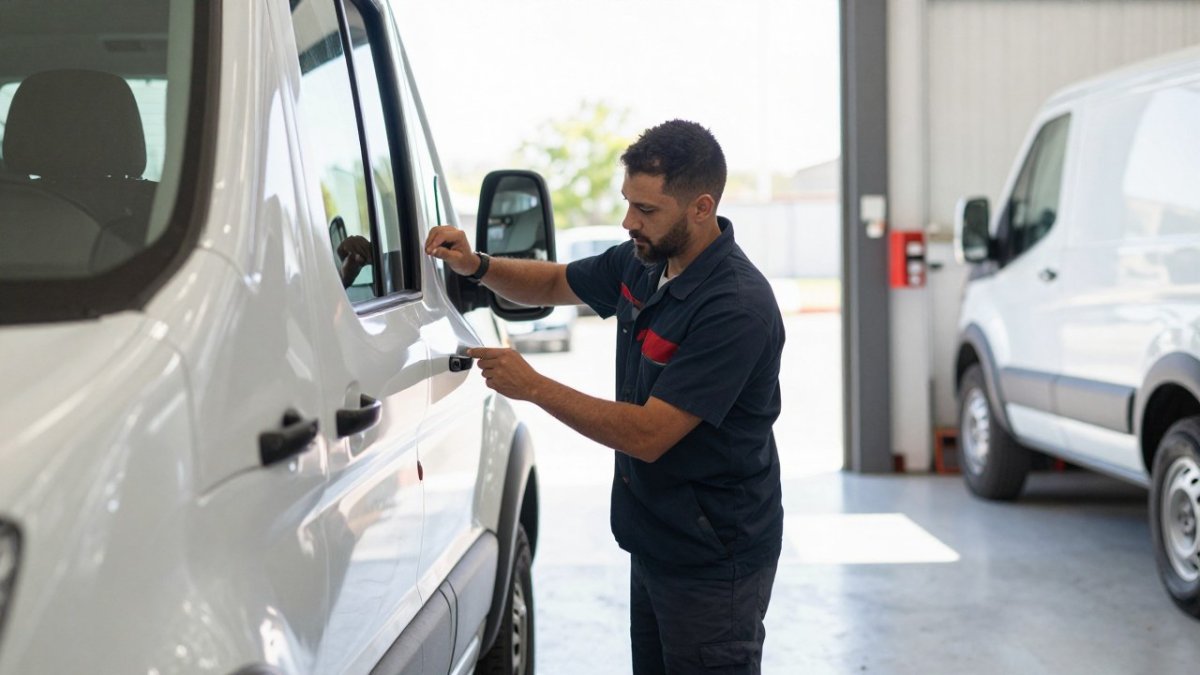
Filing a claim goes faster when you prepare a complete package before you contact anyone. If your wrap is damaged, learn whether the damage can be repaired instead before you file. Building a claim file that answers the questions an inspector will ask helps keep the review from stalling on missing paperwork.
Build a claim checklist before you call
Gather these items in one folder, digital or paper:
- Proof of purchase and installation record. The original invoice should show the film brand and product line, the installation date, the vehicle year, make and model, and the installer's business name.
- The written warranty document. Keep the manufacturer film warranty and the installer workmanship warranty as separate documents, because each one governs a different part of the claim.
- Dated photos. Shoot the problem area in daylight from several angles, plus one wider shot that shows where the panel sits on the vehicle. Include a close-up of any edge, bubble, crack or color change.
- A written timeline. Note the date you first noticed the problem, how it progressed, and any events that may be relevant, such as a car wash, a repair, or a parking change.
- Maintenance records. Keep receipts or notes for washes and any care products used, since care requirements are commonly tied to coverage.
- Vehicle ownership documents. If the vehicle was sold, leased, or modified, have those records ready because transferability and modification terms can affect the claim.
Watch out: a claim filed with only a phone photo and no installation record is the most common reason a review stalls, because the reviewer cannot confirm the film line or the install date.
Contact the right party first
Film defects go to the manufacturer or its authorized warranty administrator. Installation issues go to the installer. If you are unsure which applies, call the installer first and ask them to help classify the failure; a good shop will tell you whether the problem looks like a material defect or a workmanship issue. Keep a record of who you spoke with, the date, and any reference or claim number.
What happens after you submit
A typical claim follows a predictable path:
- Intake. The manufacturer or installer logs the claim and may request additional photos or the original invoice.
- Inspection. A technician inspects the vehicle, often in person, to determine whether the failure is a covered defect or an excluded cause. Expect the inspection to focus on adhesion, film condition, edge condition, and signs of physical damage or improper care.
- Determination. The reviewer approves, denies, or offers a partial remedy. Remedies can include replacement film, repair of the affected panel, or a prorated credit, depending on the written terms.
- Scheduling and repair. If approved, the work is scheduled with an authorized installer. Ask whether labor and removal of the old film are included, because those items are not always covered.
- Closing documentation. Keep the final determination letter and repair invoice with your original claim file.
Keep the claim moving
Respond to requests for information within the deadlines stated in the warranty. Save every email, text, photo and call reference number in one place. If the claim is denied, ask for the denial in writing and for the specific warranty clause relied on; that record is what you need if you escalate to the manufacturer's customer service or seek a second opinion from another authorized installer.
Comparing Written Wrap Warranty Terms Before You Book
Before you commit, read the written warranty side by side with any competing quote. The goal is to compare specific terms, not marketing language. Use this checklist to line up two or more warranties on the same criteria.
Comparison checklist
- Coverage period. Note the length in years for both the film warranty and the workmanship warranty. They are often different, and the shorter one controls how long you have full protection.
- Who provides coverage. Confirm whether the film warranty comes from the manufacturer or is administered by the installer, and whether the workmanship warranty is backed by the shop or a third party.
- Labor coverage. Ask whether labor to remove and replace defective film is included or excluded. Labor is one of the most common gaps between a strong and a weak warranty.
- Removal and replacement film. Confirm whether the warranty covers removal of the failed film and replacement with the same product line, an equivalent, or a prorated credit.
- Prorating. Find out whether coverage is full for the entire term or declines over time. A prorated warranty may pay only a percentage of the film cost in later years.
- Exclusions. List the excluded causes in writing: physical damage, improper washing, alterations, lack of maintenance, and any others. Compare the lists directly.
- Claim deadlines. Note how soon after discovering a problem you must file, and how long the reviewer has to respond.
- Transferability. Ask whether coverage follows the vehicle if you sell it, or stays with the original purchaser. If you lease or plan to sell, this term matters.
- Maintenance requirements. Confirm the required washing and care steps, because failing them is a common reason a claim is denied.
Questions to ask the installer in writing
Ask for the answers in writing so they become part of your records:
- Which film product line and warranty document applies to my quote?
- Is the workmanship warranty backed by the shop, and for how long?
- Are labor, removal and replacement film included in a covered claim?
- What maintenance steps must I follow to keep coverage valid?
- Is the warranty transferable if I sell the vehicle?
Watch out: a verbal promise that "we stand behind our work" is not a warranty term. If it is not in the written document, do not count on it during a claim.
How wrap coverage relates to paint and factory warranties
Wrap coverage is separate from your vehicle's factory warranty and any paint protection coverage. A wrap warranty does not extend or replace the manufacturer's vehicle warranty, and it generally does not cover the paint underneath.
Pearl Wrapz can walk you through the terms for commercial fleet graphics, wraps and lettering. Our commercial fleet graphics service keeps your trucks, vans and trailers clear, consistent and ready for work. You can also read our professional vehicle wrap installation guide to see what shapes an estimate and what to ask an installer before booking.
Your fleet is a rolling billboard, so it deserves a wrap that holds up. Get a Quote from Pearl Wrapz and ask us to walk through the warranty terms before you commit.
Frequently Asked Questions
Does a vehicle wrap warranty cover fading, peeling, or bubbling?
Usually yes, when the cause is a material or installation defect. Manufacturer film warranties typically cover premature fading, cracking, or adhesive failure, while installer warranties usually cover edges lifting or bubbles caused by application errors. Damage from road debris, stone chips, collisions, or vandalism is generally excluded. Check the written terms for your specific film and installer, and ask how the warranty defines premature failure before you sign.
Does wrapping a vehicle void the manufacturer's warranty?
Wrapping a vehicle does not automatically void the factory warranty on the car. Most manufacturers only deny claims when a wrap causes a related problem, such as paint damage from improper removal or electrical issues from work near sensors. Keep documentation of the installer, film used, and removal method, and confirm with your dealer that the wrap will not affect any repairs you might need under the factory warranty.
What can void a vehicle wrap warranty?
Common voiding factors include improper washing with harsh chemicals or pressure washers held too close, parking in extreme conditions without care, and removing or altering the film yourself. Installing the wrap over damaged or unprepared paint can also void coverage because the failure is attributed to surface condition rather than the film. Following the installer's post-installation care instructions and keeping proof of purchase protects your claim.
Is a vehicle wrap warranty worth it for a small fleet?
For a small fleet, the warranty is worth reviewing as a set of terms rather than a yes-or-no purchase. Compare the length of the film warranty, whether the installer's workmanship coverage is separate, and what the exclusions remove. A shorter warranty with clear terms can be more useful than a longer one full of exceptions.